

This article includes the talking points created by ChatGPT that we covered in our podcast. The complete automated transcript of the podcast can be accessed by clicking the ‘transcript’ button under the podcast window at the top of the article.
Intro Haiku:
Shifting services
Taxing the people for more
Lowering standards

ChatGPT gleaned information from the Clallam County Watchdog article Before You Vote on the Library Levy, Here’s What You Should Know.
🔹 Introduction (Facts Only)
A proposed library levy would increase the tax rate by about 60%, from $0.28 to $0.45 per $1,000 of assessed property value
The measure is for the North Olympic Library System (NOLS)
The library system is largely taxpayer-funded
Reported trends since 2018:
Visits down about 30%
Circulation down about 20%
Computer use down about 50%
During that same period, the budget has increased by over 60%, largely due to staffing costs
Libraries have expanded services beyond traditional book lending to include community programs, outreach, and other public services
Transition into Section 1: “So I think the place to start is just… what is a library supposed to be at this point?”
🔹 Section 1: What Is a Library Now?
Pros:
Adapting to modern needs
Free public space, internet access, community support
Helps underserved populations
Cons:
Mission drift
Becoming too broad / unfocused
Not what some taxpayers expect
Why it matters:
Defines what people are funding
Shapes long-term identity of libraries
Discussion questions:
What should a library be in 2026?
Is expanding beyond books a strength or a distraction?
Where should the line be?
Transition to Section 2: “And I think that connects directly to the next issue—which is how people are actually using libraries now…”
🔹 Section 2: Usage vs Funding
Pros:
Digital usage rising (ebooks, audiobooks, online tools)
Physical visits don’t tell the whole story
Still essential for some populations
Cons:
Visits ↓ ~30%, circulation ↓ ~20%, computer use ↓ ~50%
Budget ↑ ~60%
Questions about efficiency
Why it matters:
People expect spending to reflect value
Raises question of how to measure success
Discussion questions:
Should funding go up if physical usage is down?
What counts as “library use” today?
Do digital services justify higher costs?
Transition to Section 3: “But regardless of how you measure it, the part people are definitely going to feel is the tax increase itself…”
🔹 Section 3: The Tax Increase
Pros:
Investment in community resource
Maintains or expands services
Libraries relatively low-cost compared to other services
Cons:
~60% increase is significant
Adds to overall tax burden
Timing may feel tough for many households
Why it matters:
Direct financial impact
Forces prioritization
Discussion questions:
Would you vote for a 60% increase?
How do you weigh this against other needs?
Is now the right time?
Transition to Section 4: “And I think when people hear ‘tax increase,’ the next question is always—where is that money actually going?”
🔹 Section 4: Spending Priorities & Transparency
Pros:
Staffing and programming can improve services
Outreach increases impact
Modern libraries require new roles
Cons:
Concerns about administrative growth / consulting
Misalignment with core services
Transparency questions
Why it matters:
Trust in how money is used
Affects willingness to approve funding
Discussion questions:
What should libraries prioritize?
How transparent should they be?
Are current priorities aligned with public expectations?
Transition to Section 5: “And zooming out a bit, this really isn’t just about libraries—it’s part of a bigger trend…”
🔹 Section 5: Bigger Picture — Role of Public Institutions
Pros:
Flexible institutions can meet real needs
Libraries can fill community gaps
Expanding roles may increase overall impact
Cons:
Risk of overreach
Blurred responsibilities
May dilute effectiveness
Why it matters:
Reflects broader views on government’s role
Influences future public spending decisions
Discussion questions:
Should libraries expand beyond traditional roles?
Where’s the line between support and overreach?
Are they solving problems or compensating for other failures?
Transition to Final Questions: “So if you step back from all of that, I think it leaves a few big-picture questions…”
🔹 Final Question Segment (Open-ended, reflective)
What do you personally want from a library?
What would make this levy feel “worth it” to you?
Do you trust the institution to use additional funding well?
Is this really about libraries—or about how communities are changing?
If this doesn’t pass, what should happen instead?
Transition to Conclusion: “And I think that’s really what this comes down to…”
🔹 Conclusion
Key points:
This is not just a yes/no funding decision—it sets direction
People may agree on supporting libraries but disagree on their role
The definition of “library” is shifting
Closing thought ideas:
“Same word—‘library’—but people mean very different things”
“You’re not just funding a service, you’re shaping what it becomes”
Saturday podcast will be the Town Hall Takedown!
Thank you everyone for the caring comments, emails, and prayers. Have a great Friday the 17th!
YouTube Media:
What we had on our TV during the podcast:
The Wonder of Robots: Japan has learned how to incorporate robots with human services. Not sure if it’s more cost efficient, but one thing is certain — robots don’t need benefits. LOL.
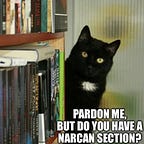
Going Off Track: From library books to Narcan; and from LGB to MMIWG2SLGBTQQIA+, the causes are going way off track.
DIY Fails: I have a hunch some of these projects were attempted with rented tools. If the library rents tools, this is what could happen to some of those tools — and it will be up to the taxpayers to replace/repair broken tools.
Thank you for listening, sharing & subscribing!
Strait Shooter:
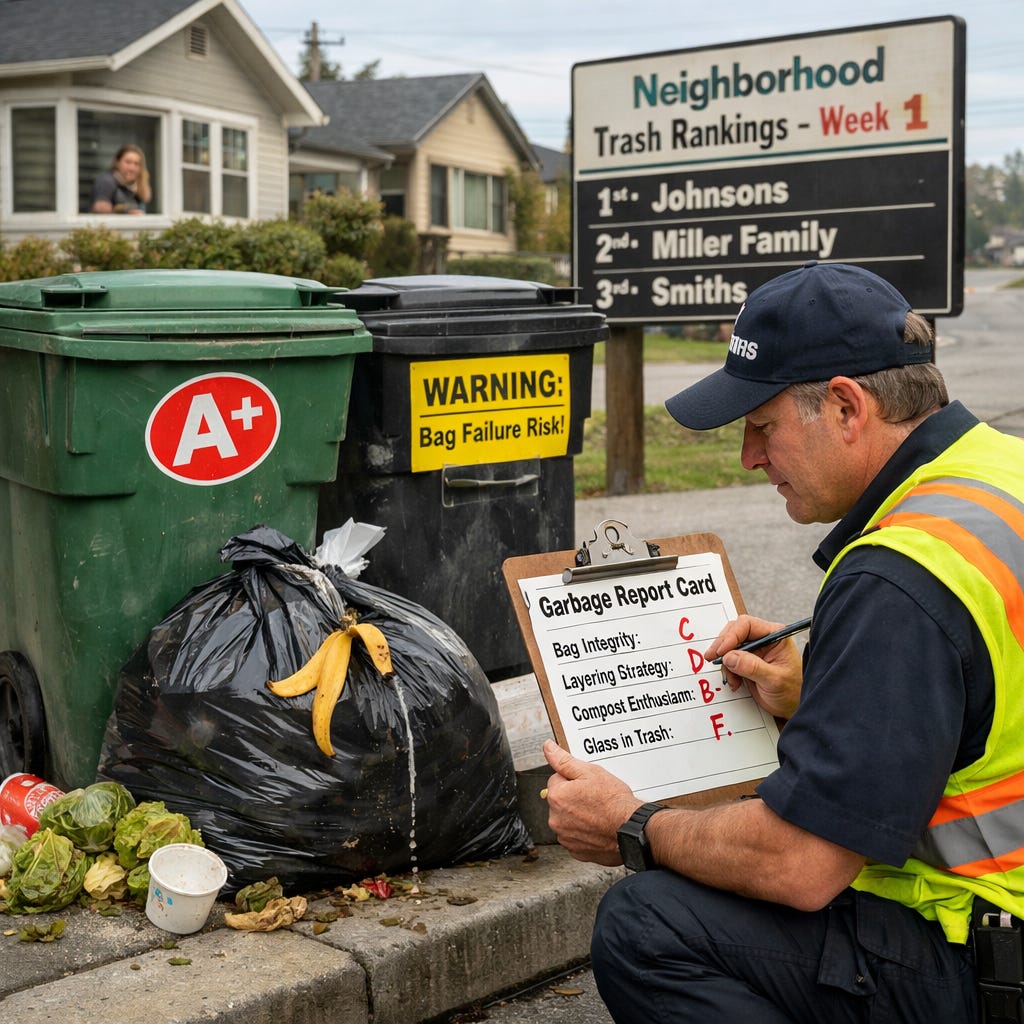
Don’t miss the best — and only — satirical news in Clallam County. This week Port Angeles rolls out trash report cards as officials master the art of saying less, doing less, and aiming higher. The latest Friday edition shoots into inboxes at 6:03 this morning!
Clallam County Letters:
Now accepting rejected letters to the editor from local newspapers in Clallam County. Please include the email exchange of the submitted letter and the rejection response from the newspaper. Personal information will be redacted.
Find out what people are writing to elected officials and bureaucrats — and what was rejected from local newspapers.
New issues are published at 6am every Monday and Thursday.
Get Your Emails to Elected Officials Published in Clallam County Letters:
Clallam County Letters accepts emails to county, city, state, and federal government officials.
Clallam County commissioners can be redressed by the people via email:
Mark Ozias: Mark.Ozias@clallamcountywa.gov
Randy Johnson: Randy.Johnson@clallamcountywa.gov
Mike French: Mike.French@clallamcountywa.gov
Loni Gores, Clerk: Loni.Gores@clallamcountywa.gov
Find all other Clallam County officials, offices, and employees in the staff directory.


