

Intro Haiku:
Friday dialogue
When media disappears
Exploring the void
This article includes the talking points we covered in our podcast based on the Clallam County Watchdog article ‘Where’s the Media?’ The complete automated transcript of the podcast can be accessed by clicking the ‘transcript’ button under the podcast window at the top of the article.

The Core Question: “Where Is the Media?”:
What the article is about:
The article argues that significant public-safety and government issues in Clallam County are often not being covered by local media outlets, forcing residents to rely on Facebook groups, neighborhood pages, and comment threads to learn what is happening around them.
What actually matters:
Local journalism traditionally acts as a watchdog over government and public safety issues.
When reporting disappears or becomes selective, the information vacuum gets filled by social media.
That changes how communities learn about risk, policy decisions, and accountability.
Why people care:
People want reliable information about crime, public safety, and government decisions affecting their families.
If residents are hearing about major incidents through Facebook instead of reporters, it raises questions about:
Transparency
Editorial priorities
Whether difficult stories are being avoided.
Discussion questions:
What is the core role of a local newspaper or local media outlet today?
If social media is where people get information first, what does that mean for journalism?
Is the problem lack of resources, lack of interest, or editorial filtering?
The Carlsborg Incident:
What the article is about:
The piece describes residents reporting an erratic, possibly drug-influenced individual in Carlsborg frightening families and approaching customers at a gas station. Residents say they only learned about it through social media posts and community warnings.
What actually matters:
The issue is not just the incident itself.
The article’s argument is that no formal reporting explained what happened, leaving residents with unanswered questions.
Key unanswered questions raised:
Who was the individual?
Was law enforcement involved?
Was anyone arrested?
Is the threat ongoing?
Why people care:
Public safety stories are typically the most basic function of local reporting.
When they go unreported:
Rumors fill the gap.
People don’t know whether something is isolated or part of a pattern.
Community trust in institutions declines.
Discussion questions:
Is it responsible for media outlets to ignore incidents unless confirmed by authorities?
Should the media report early when residents are concerned, even if details are incomplete?
What standard should local journalism follow for community safety alerts?

The Shift to “Citizen Journalism”:
What the article is about:
The article claims ordinary residents are increasingly acting as de facto reporters, gathering information and sharing warnings online because traditional outlets are not covering certain stories.
What actually matters:
This raises a larger structural change:
Old model
Newspapers investigate
Citizens read and respond
New model
Citizens report events
Social media spreads them
Traditional media sometimes reacts later — or not at all.
Why people care:
Citizen reporting can:
Spread information quickly
But also spread misinformation if facts aren’t verified.
The tradeoff becomes speed vs. credibility.
Discussion questions:
Is citizen journalism filling a gap — or creating a new problem?
Should professional media partner with community reporting instead of ignoring it?
What responsibility do citizens have when posting incidents online?
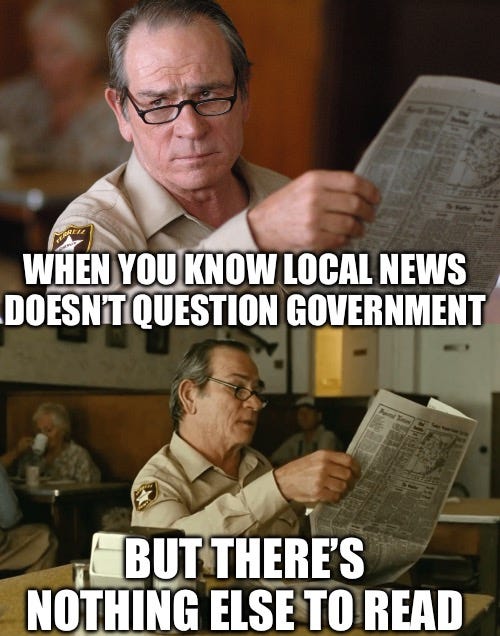
Transparency and Government Accountability:
What the article is about:
The article connects the lack of reporting to broader concerns about transparency from local government and public institutions, arguing that difficult questions are sometimes left unasked.
What actually matters:
Without scrutiny from local media:
Government decisions receive less public examination.
Officials face fewer difficult questions.
Citizens must investigate issues themselves.
Historically, local reporters attended meetings, filed records requests, and followed stories over months or years.
Why people care:
Local government controls things that directly affect daily life:
Public safety
Taxes
Land use
Infrastructure
Social programs
If nobody is closely covering those decisions, public oversight weakens.
Discussion questions:
Are local governments becoming less transparent — or are fewer reporters available to cover them?
Does the responsibility for oversight now fall on citizens?
Is the decline of local journalism a structural problem nationwide?
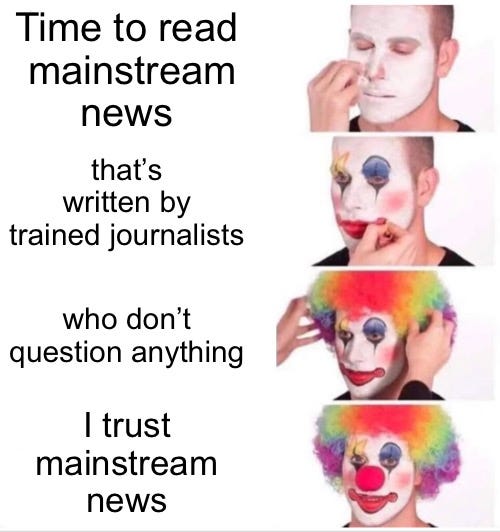
The Big Question for Communities:
What the article is about:
The underlying argument is that communities may now need to rethink how local information flows if traditional media institutions no longer serve the same role.
What actually matters:
Communities are facing a new information ecosystem:
Traditional newspapers shrinking
Independent blogs and Substacks emerging
Social media acting as the real-time alert system.
The challenge is sorting credible information from noise.
Why people care:
Reliable local information affects:
Safety decisions
Voting decisions
Public trust
Civic participation.
Discussion questions:
What should local media actually prioritize covering?
Are independent outlets replacing newspapers?
What does a healthy local information ecosystem look like?
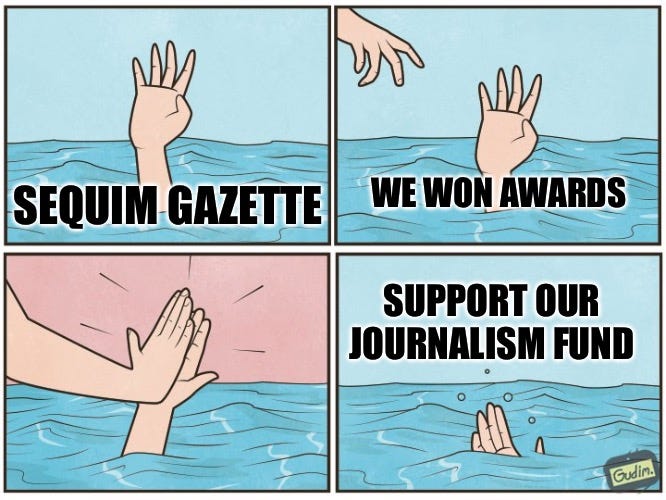
The Takeaway:
Summary:
The article argues that important local stories — especially around public safety and government actions — are increasingly being discovered by residents themselves rather than reported by traditional media.
Final discussion prompt:
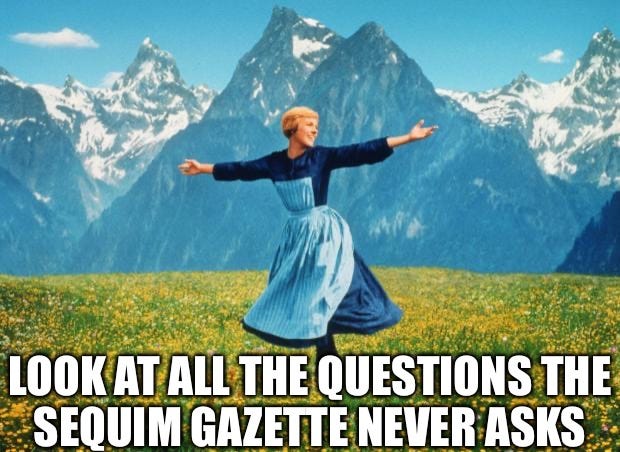
If local media isn’t asking the questions, who should?
YouTube Media:
A look at video content in Sequim, from the high school and the sheriff’s office. Plus a look at content from other sheriff accounts on YouTube, from Polk County in Florida and Pierce County in Washington State.
Sequim GNN, Growl News Network YouTube Channel, 409 subscribers with 325 videos; weekly video March 6, 2026:
Clallam County Sheriff’s Office YouTube Channel, 105 subscribers with 8 videos; Jail Incarceration Process Explained (second most recent video on channel, posted May of 2024):
Polk County Sheriff Grady Judd YouTube Channel, 272k subscribers with 1.3k videos; Morning Briefing March 4, 2026:
Pierce County Sheriff’s Office YouTube Channel, 87.2k subscribers with 717 videos; Over the Weekend Update March 2, 2026:
Reminders & Events:
Heads up for the big weekend event — clocks springing forward one hour as Daylight Saving Time commences Sunday morning. For non-smart devices, time must be adjusted manually as the ancestors once did it, or resist and don’t do it at all and enjoy being an hour behind everyone.
St. Patrick’s Day reminder — now 11 days away; good weekend to get cards in the mail and order flowers or gift baskets for delivery.
Sunshine festival on Saturday in Sequim at Carrie Blake Park.
Thank you for listening and have a wonderful Friday the 6th.
Thank you for listening, laughing, sharing & subscribing!
Strait Shooter:
It’s time for a Friday shot of satire, landing in inboxes at 6:06am today.
This week’s Friday edition includes new multi-ballot voting options, the creation of the first county predictability officer, constituent qualification standards for streamlined democracy, the yearly return of the Sunshine Festival, and a letter to the editor with a radical view of Daylight Saving Time.
Clallam County Letters:
Next issue comes out Monday, March 9, 2026.
Get Your Emails to Elected Officials Published in Clallam County Letters:
Clallam County Letters accepts emails to county, city, state, and federal government officials.
Clallam County commissioners can be redressed by the people via email:
Mark Ozias: Mark.Ozias@clallamcountywa.gov
Randy Johnson: Randy.Johnson@clallamcountywa.gov
Mike French: Mike.French@clallamcountywa.gov
Loni Gores, Clerk: Loni.Gores@clallamcountywa.gov
Find all other Clallam County officials, offices, and employees in the staff directory.
To have your letter published in Clallam County Letters, please include clallamityjen@gmail.com in the CC or BCC fields.