
Intro Haiku:
Enabling choices
Entitled dependency
Endangered freedoms
This article includes the talking points created by ChatGPT that we covered in our podcast. The complete automated transcript of the podcast can be accessed by clicking the ‘transcript’ button under the podcast window at the top of the article.
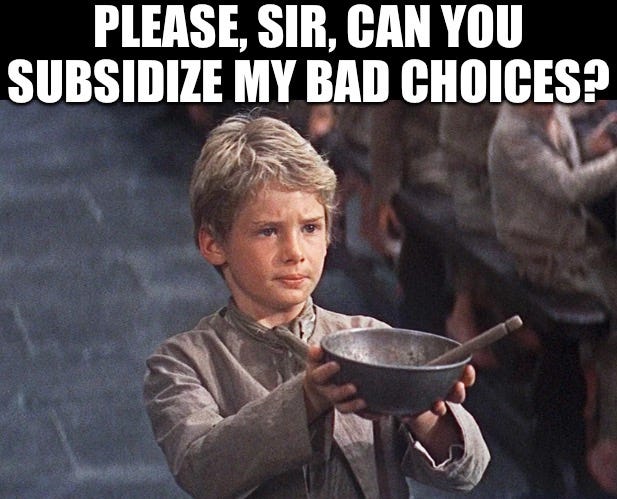
Theme: Social programs in Clallam County — harm reduction, food banks, housing programs, and subsidized services — and whether they promote recovery and independence or create long-term dependence.
“Dog Neutering Requires More ID Than Voting” (CCWD Article)
What the article is about:
The Clallam County Sheriff’s Office partnered with volunteers and used $5,000 in taxpayer money to spay or neuter 151 dogs and cats.
Participants had to show proof they were low-income to qualify.
One exception: homeless residents did not need proof.
What actually matters:
The story raises questions about how eligibility rules are applied.
If programs require income verification for some people but waive it for others, the real issue becomes who decides the rules and why.
It also highlights how many programs now operate through a mix of taxpayer money and nonprofit volunteers.
Why people care:
Residents generally support animal welfare and reducing stray animals.
But taxpayers may question:
Whether government should fund these programs
Why eligibility rules vary
Whether services become another form of public subsidy without clear accountability
Discussion questions:
Should animal control programs be government funded, or primarily nonprofit?
Is the real issue animal welfare, or is it another example of expanding public services?
At what point do well-intended programs become another layer of welfare policy?
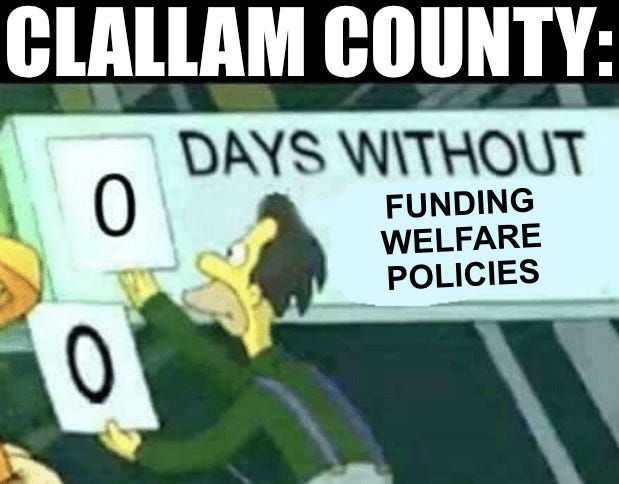
Welfare policy refers to government-led initiatives, programs, and regulations designed to provide essential support, financial assistance, and services to individuals and families in need. Aimed at reducing poverty and inequality, these policies ensure a minimum standard of living through aid like food stamps, housing assistance, and healthcare. (Source)
Harm Reduction vs. Accountability (CCWD Article)
What the article/interview is about:
Recovered addict Stacey Richards describes her experience with addiction and recovery.
Her argument:
She did not get clean until the consequences were no longer removed.
Key quotes include:
“Everybody was enabling me… they made it easy for me to keep getting high.”
“I can’t help them when the county enables them.”
“Enabling didn’t get me clean.”
“To enable is to dig a grave.”
What actually matters:
This is a fundamental policy debate:
Two competing philosophies:
Harm reduction approach
Reduce damage from addiction
Provide services without requiring sobriety
Accountability approach
Consequences drive recovery
Removing consequences prolongs addiction
Why people care:
Clallam County has invested heavily in:
harm reduction
behavioral health programs
outreach and services for addiction
But critics argue these programs can normalize destructive behavior rather than stopping it.
The conflict is emotional because it involves life-and-death issues.
Discussion questions:
Can harm reduction and accountability coexist?
Does removing consequences delay recovery?
Should public policy prioritize compassion or accountability?

The Food Bank Question (CCWD Article)
What the article is about:
A testimonial suggested the food bank is not just for poor families.
One user explained it can help people offset other costs, such as:
sports fees
groceries
other household expenses
What actually matters:
The key issue is how social programs expand over time.
Originally food banks were intended for people in genuine crisis.
Now the narrative sometimes shifts to “for everyone.”
That raises questions about whether the system is:
a safety net, or
a supplement to household budgets
Why people care:
Food banks rely heavily on:
donations
volunteers
public funding
If middle-income households begin using them regularly, it changes the entire purpose of the system.
It also affects public perception of who the programs are actually serving.
Discussion questions:
Should food banks remain strictly emergency assistance?
At what point does using them become budget optimization instead of need?
Does expanding eligibility dilute help for people truly in crisis?
Is the real issue rising cost of living rather than misuse — or do individuals have a responsibility to manage their finances and priorities to make sure they have money for necessities instead of paying for wants?
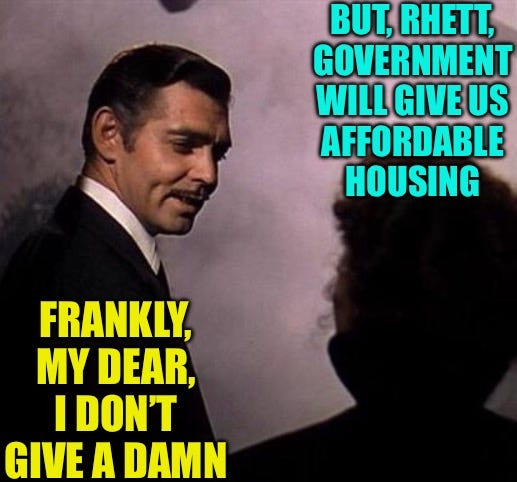
$500,000 “Affordable” Housing Units (CCWD Article)
What the article is about:
A proposed housing development in Port Angeles:
Mt. Angeles View Phase II
60 units
Total cost: $30 million
That equals about $500,000 per unit.
Officials explain the price through:
planning costs
consultants
architectural work
regulatory compliance
financing layers
What actually matters:
The real question is how government housing projects become so expensive.
Public housing often involves:
multiple funding streams
heavy regulatory requirements
administrative layers
These can dramatically increase cost compared with private construction.
Why people care:
Taxpayers fund the project in two ways:
1. Construction subsidies
2. Ongoing housing subsidies
Critics argue that public housing increasingly asks working residents to fund housing they themselves cannot afford.
Discussion questions:
Why does publicly funded housing often cost more than private construction?
Is affordable housing becoming a government industry?
Could the same money produce more units if regulations were reduced?
What is the long-term cost to taxpayers?
“Luxury” Supportive Housing (CCWD Article)
What the article is about:
Peninsula Behavioral Health is finishing North View, a permanent supportive housing complex overlooking Port Angeles.
It is described as:
low-barrier housing
permanent supportive services
scenic views of the harbor and mountains
What actually matters:
“Low-barrier” means residents typically do not need sobriety or employment requirements to qualify.
The housing combines:
public funding
social services
long-term residency
Why people care:
Supporters argue these programs:
stabilize vulnerable populations
reduce homelessness
provide treatment access
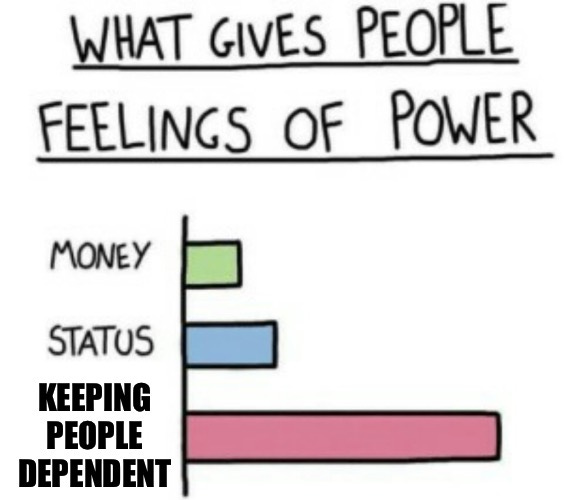
Critics argue they can create permanent dependency structures.
Discussion questions:
Do supportive housing programs solve homelessness or institutionalize it?
Should housing require participation in treatment or employment?
What is the long-term outcome for residents?
Is the goal recovery, or simply stability?
The Big Questions
What actually matters:
Across all these stories is the same underlying debate:
What is the purpose of social programs?
Two views dominate:
Safety-net view
Programs exist to reduce suffering and stabilize people.
Responsibility view
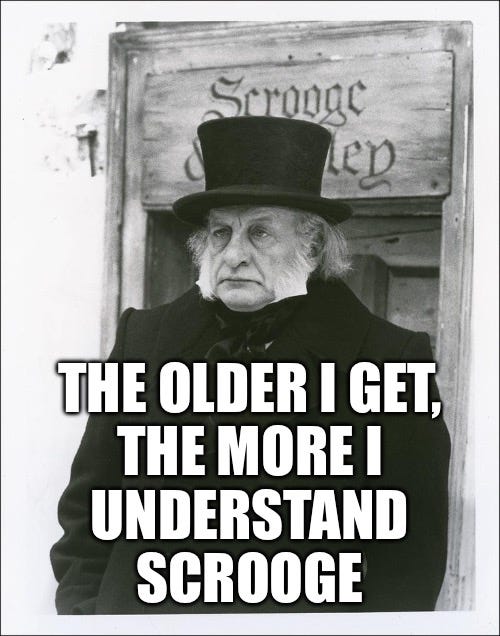
Programs should help people regain independence, not create permanent reliance.
Closing discussion questions:
Where should the line be between help and enabling?
Are social programs expanding faster than the problems they aim to solve?
Do local governments measure long-term outcomes, or only program activity?
What policies would actually lead more people to independence rather than dependency?
YouTube Media:
Compilation of videos featuring people losing SNAP & EBT benefits; people who use the system to subsidize their lifestyles by remaining in poverty and not working; learning what it’s like to buy food with their own money when benefits are cut; and a look inside a Section 8 house after a tenant is finally evicted.
Thank you for listening, laughing, sharing & subscribing!
Strait Shooter:
It’s time for a Friday shot of satire, landing in inboxes at 6:13am today.
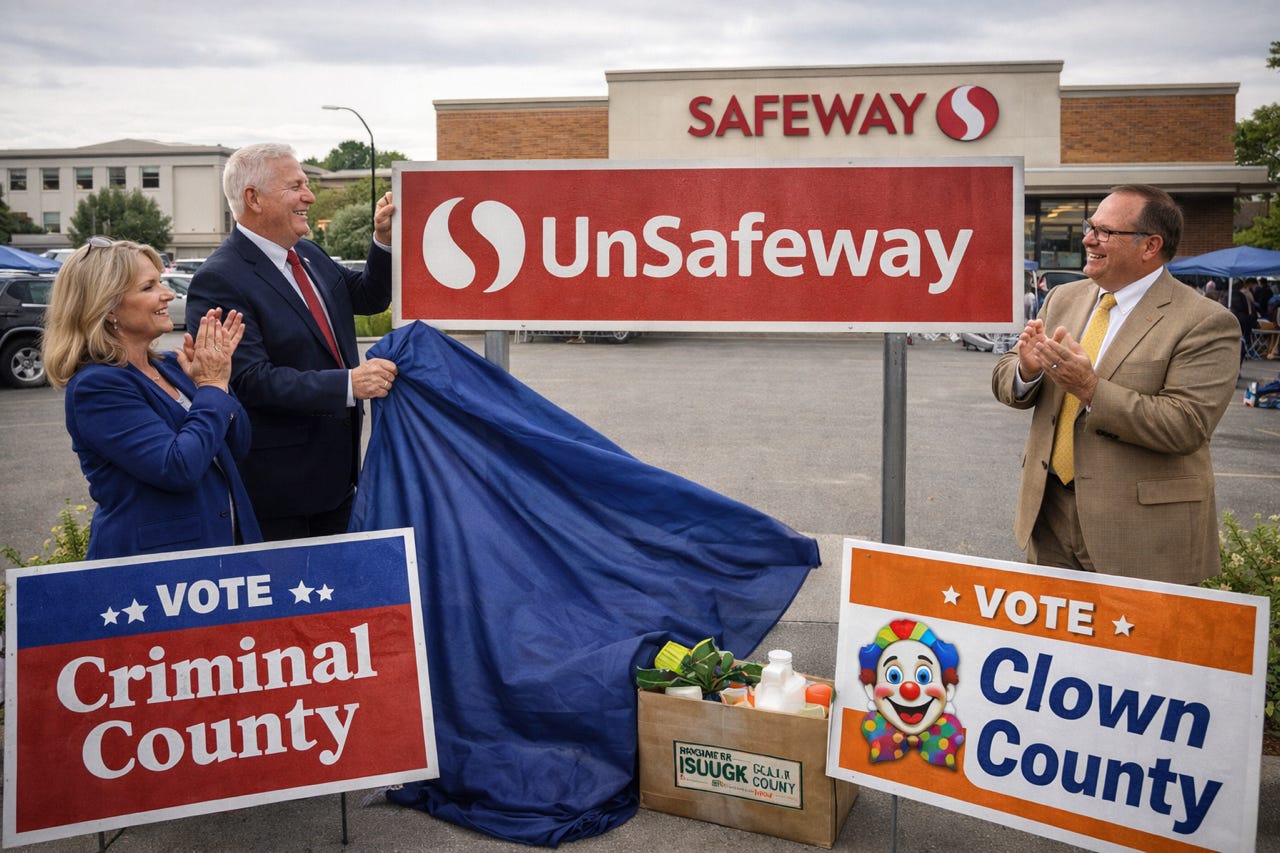
This week’s Friday edition includes stories about a new landmark renaming initiative, the county commissioners stop beating around the bush, a push to replace colonizing sports, a pets for the homeless program, and a letter to the editor from a stunned resident who expects terrifying content instead of jokes.
Clallam County Letters:
Next issue comes out Monday, March 16, 2026.
Get Your Emails to Elected Officials Published in Clallam County Letters:
Clallam County Letters accepts emails to county, city, state, and federal government officials.
Clallam County commissioners can be redressed by the people via email:
Mark Ozias: Mark.Ozias@clallamcountywa.gov
Randy Johnson: Randy.Johnson@clallamcountywa.gov
Mike French: Mike.French@clallamcountywa.gov
Loni Gores, Clerk: Loni.Gores@clallamcountywa.gov
Find all other Clallam County officials, offices, and employees in the staff directory.
To have your letter published in Clallam County Letters, please include clallamityjen@gmail.com in the CC or BCC fields.