
This article includes the talking points created by ChatGPT that we covered in our podcast. The complete automated transcript of the podcast can be accessed by clicking the ‘transcript’ button under the podcast window at the top of the article.
Intro Haiku:
Protesting in Sequim
Profane civic engagement
What is the message?
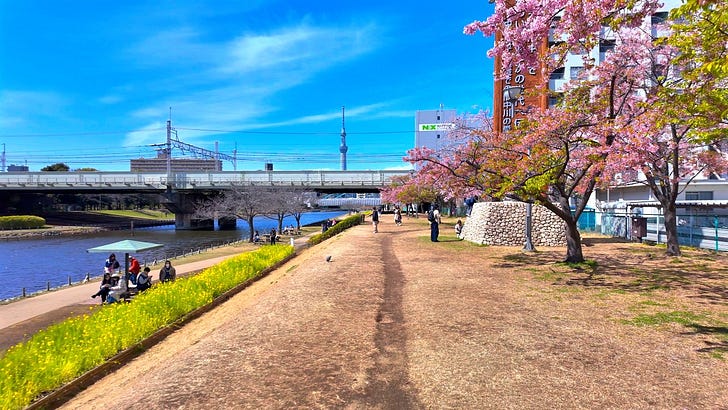
On our TV during the podcast: Tokyo Hirai Walk
🎙️ Podcast Episode: Protests, Public Spaces, and Community Culture in Sequim
Intro:
Today we’re discussing a topic that has become increasingly visible in Sequim and across Clallam County: the recurring protests organized by Indivisible Sequim and the concerns they’ve raised among many community members.
This episode is built around a written interview I received from Teresa Miller, a local resident who shared concerns about protest signage, public safety, the impact on children, and the overall culture these demonstrations create in our community.
To be clear, this episode is not about whether people have a right to protest. Peaceful — peaceful — political expression is a protected constitutional right, and that right should be respected regardless of political viewpoint.
However, supporting free speech does not mean every protest is beyond criticism. The focus of today’s discussion is whether these demonstrations are helping or hurting the community, what message they send to residents and visitors, and whether protests centered almost entirely on national political issues belong in local public spaces where local government has little or no influence over the issues being protested.
Let’s begin with the issue that first motivated my interviewee to speak out.
Children and Public Exposure to Political Messaging
Issue:
The interviewee says her concerns began when her 12-year-old grandson was allegedly called a “fascist” while riding through a protest area. She also expressed concern about children being exposed to vulgar language, sexual references, inflammatory political imagery, and other messages displayed on protest signs.
Why It Matters:
Public protests happen in shared spaces. Unlike political events where people choose whether to attend, demonstrations along major roads are visible to everyone, including children.
Many residents support free speech while also believing there should be some consideration for the audience that inevitably encounters these demonstrations. Families driving to school events, grocery stores, churches, or community activities often have no choice but to pass by highly political displays.
This raises questions about where communities draw the line between protected political speech and messages that many residents consider inappropriate for family-oriented public spaces.
Whether people agree with the protest messages or not, the issue touches on larger questions about civic behavior, public decency, and what children encounter in everyday life.
Discussion Questions:
When political demonstrations take place in highly visible public spaces, should organizers consider how their signs and messages may be received by children?
Is there a difference between strong political criticism and language or imagery that many families would consider inappropriate in public?
Does the right to free expression also come with a responsibility to consider the broader community?
Protest Optics, Hypocrisy, and Community Image
Issue:
The interviewee described seeing signs containing profanity, references to corruption, provocative imagery, and demonstrators wearing costumes, masks, or symbolic clothing. She questioned what message these displays communicate to residents and visitors.
There is also a broader concern: many of these demonstrations focus almost exclusively on national political figures and federal issues that local elected officials have little ability to influence.
Why It Matters:
Protests are designed to attract attention. Visual symbolism, costumes, signs, and slogans are often used to communicate political messages quickly.
But public demonstrations also contribute to the image of a community. Residents may see the same event very differently. Some view it as civic engagement. Others see it as political theater that creates division while accomplishing little at the local level.
There is also a question of consistency. Many protesters argue that citizens should focus on local engagement and community involvement, yet much of the messaging displayed at these events centers on national political battles rather than local concerns such as infrastructure, housing, public safety, economic development, schools, or county governance.
Critics argue that this creates an optics problem. If local activism is meant to improve local communities, why are so many demonstrations focused on issues over which local governments have little or no authority?
Another concern is whether provocative signs, costumes, and inflammatory rhetoric undermine the credibility of the causes being promoted. Instead of persuading undecided residents, such displays may reinforce negative stereotypes and make constructive dialogue more difficult.
Discussion Questions:
What role do signs, costumes, and visual symbolism play in shaping public perception of a protest movement?
Can provocative imagery and inflammatory language distract from the message protesters are trying to communicate?
If a protest focuses almost entirely on national politics, is it fair to ask what practical impact it has on the local community?
Do these demonstrations strengthen civic engagement, or do they primarily serve as public expressions of political identity?
Is there a contradiction between encouraging local involvement while focusing most activism on national political conflicts?
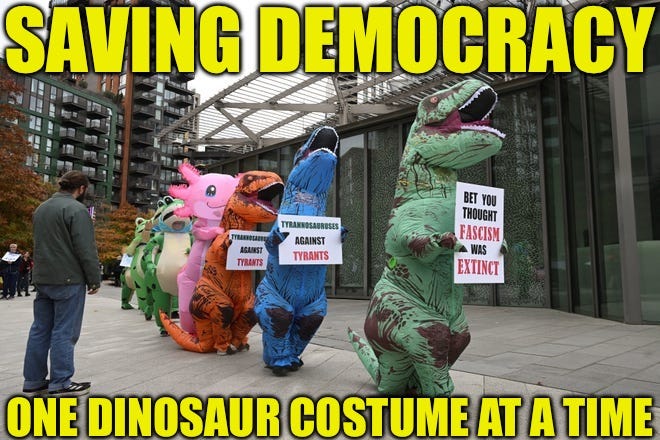
Public Safety, Traffic, and Use of Shared Spaces
Issue:
The interviewee raised concerns about congestion near intersections, people gathering in crosswalk areas, the use of crossing flags by demonstrators, noise levels, and possible distractions for drivers and pedestrians.
Why It Matters:
Public demonstrations often occur in busy, high-visibility locations because they maximize exposure. However, those same locations are also used by drivers, pedestrians, seniors, families, and people with disabilities.
Questions about safety, traffic flow, accessibility, and liability are practical concerns that affect everyone regardless of political beliefs.
Critics of these demonstrations argue that organizers sometimes focus heavily on visibility while giving insufficient consideration to the inconvenience and disruption experienced by others using the same public spaces.
This issue moves beyond politics and into the everyday management of public spaces.
Discussion Questions:
What responsibilities do protest organizers have to ensure demonstrations remain safe for drivers and pedestrians?
At what point does a public gathering become a potential traffic or accessibility concern?
Should highly visible intersections be used for political demonstrations if they create distractions or congestion?
How should communities balance protest rights with the interests of the broader public using shared spaces?
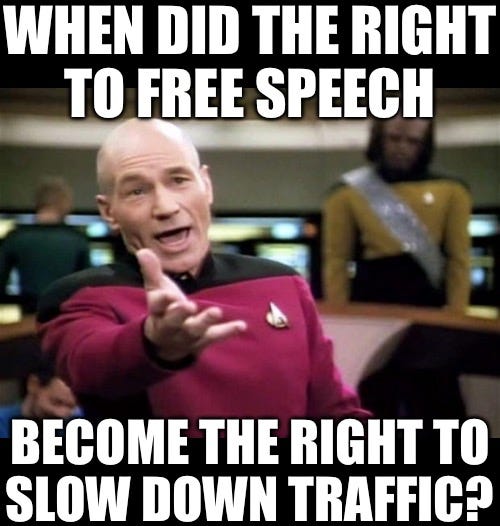
Community Division, Political Culture, and Finding Common Ground
Issue:
Throughout the interview, one theme appeared repeatedly: concern that political activism is increasing division within the community. The interviewee expressed frustration that these demonstrations often seem more focused on expressing outrage than building relationships or fostering understanding among neighbors.
Why It Matters:
Political disagreements are nothing new. What matters is how communities handle them.
Clallam County is home to people with different backgrounds, experiences, and political beliefs. But when activism becomes performative, hostile, or centered on national partisan conflicts, it can create the perception that neighbors are being categorized as allies or enemies rather than fellow members of the same community.
One criticism often raised by local residents is that these demonstrations rarely appear designed to persuade anyone. Instead, they can come across as public displays aimed at reinforcing existing political identities.
If that perception is accurate, then the question becomes whether these protests are building community engagement or contributing to greater polarization.
Discussion Questions:
Why do you think political disagreements feel more personal today than they did in the past?
Are public protests intended to persuade people, or are they primarily intended to signal solidarity among people who already agree?
How can residents express political concerns without contributing to further division?
What would meaningful civic engagement look like if the goal were solving local problems rather than highlighting national political conflicts?
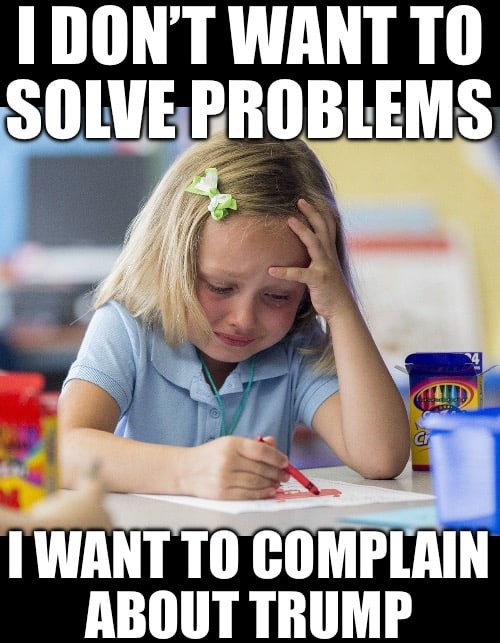
Closing:
Today’s episode explored concerns raised by one local resident regarding public protests in Sequim.
Some listeners may strongly agree with these concerns. Others may strongly disagree.
The purpose of this discussion is not to challenge anyone’s constitutional right to speak freely. Rather, it is to ask whether these demonstrations are benefiting the community, improving public discourse, or creating unintended negative consequences.
It is also worth asking whether a community benefits when public spaces become regular venues for national political conflicts that local residents have little power to influence. If activism is truly about improving the places where we live, many residents believe local issues deserve at least as much attention as national politics.
The larger questions remain: How should public spaces be used? What kind of civic culture do we want to encourage? And what message do these demonstrations send about Sequim and Clallam County to both residents and visitors?
We’d love to hear your perspective. Have these demonstrations affected your view of Sequim or Clallam County? Have you attended one? Do you believe they are helping the community, hurting it, or accomplishing very little at all?
If you would like to offer your views in a written interview, leave a comment or send me an email at clallamityjen@gmail.com. Interviewees can remain anonymous, and it can be for anywhere in Clallam County, not just Sequim.
As always, stay engaged in your community, respect the rights of others, and remember that healthy communities depend not only on free speech, but also on mutual respect, accountability, and a willingness to focus on the issues closest to home.
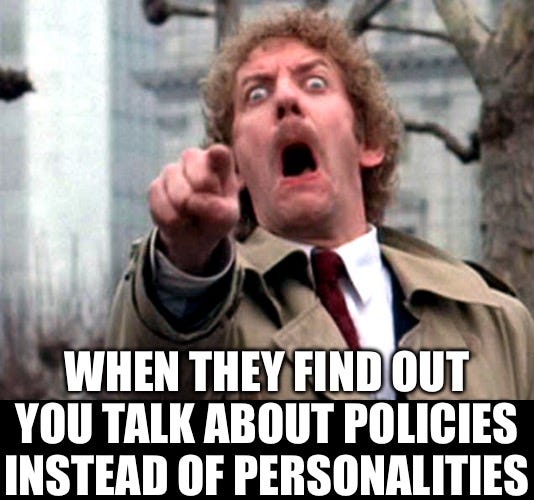
Saturday Reminders:
America 250: Seven days until the Fourth of July and America turning 250.
Jaws, a Fourth of July tradition in our household. I don’t know what is scarier — the shark or the men running Amity Island as shown in the scene below as they work to cover up the first death of the season:
See what’s happening in New England on the 4th or any day of the year without leaving home, thanks to live webcams:
Thank you all for listening and making our podcast part of your day.
Have a super Saturday the 27th!
Thank you for listening, laughing, sharing & subscribing!
Sign the Change.org petition:
No Hygiene or Harm Reduction programs at William Shore Aquatic Center in Port Angeles, WA.
Help get the petition to 300 signatures! You can sign the petition without displaying your name; the signature still counts, but if you want your name not to be seen by others, uncheck the box about displaying your name before clicking the submit button. Thanks to Terri D. for starting the petition!
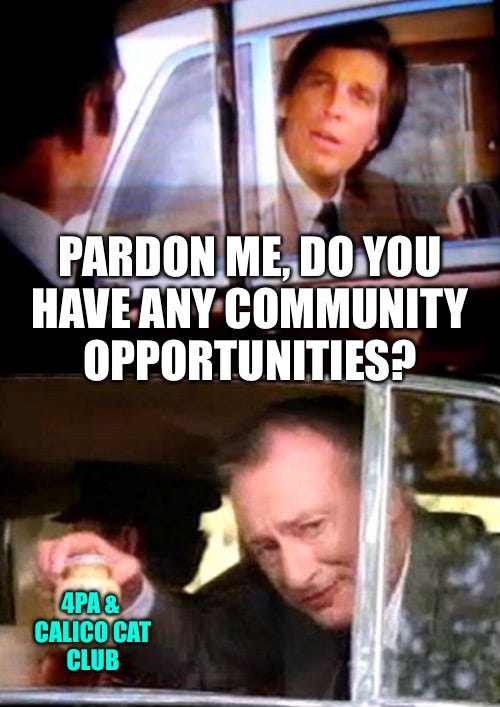
Community Opportunities:
4PA:
Calico Cat Social Club:

Clallam County Letters:
New issues are published at 6am every Monday and Thursday.
Clallam County Letters accepts emails to county, city, state, and federal government officials.
✍️ Redress State Legislators in District 24:
Senator Mike Chapman: (360) 786-7646, email form
Representative Adam Bernbaum: (360) 786-7916, email form
Representative Steve Tharinger: (360) 786-7904, email form
✍️ Redress Clallam County Commissioners:
Mark Ozias: Mark.Ozias@clallamcountywa.gov
Randy Johnson: Randy.Johnson@clallamcountywa.gov
Mike French: Mike.French@clallamcountywa.gov
Loni Gores, Clerk: Loni.Gores@clallamcountywa.gov
Find all other Clallam County officials, offices, and employees in the staff directory.
To have your letter published in Clallam County Letters, please include clallamityjen@gmail.com in the BCC field or forward after sending.