
This article includes the talking points created by ChatGPT that we covered in our podcast. The complete automated transcript of the podcast can be accessed by clicking the ‘transcript’ button under the podcast window at the top of the article.
Intro Haiku:
The fight for control
Victimhood overpowers
The battle within
Intro:
In Episode 1, we saw how politics becomes emotional and personal.
In this episode, we go further. The question is what happens when people stop agreeing not just on opinions—but on what is actually happening.
“The Dark Truth of Political Hate – Nietzsche” warns that when this happens, politics stops working the way it’s supposed to.
When Everyone Claims to Be the One Getting Hurt
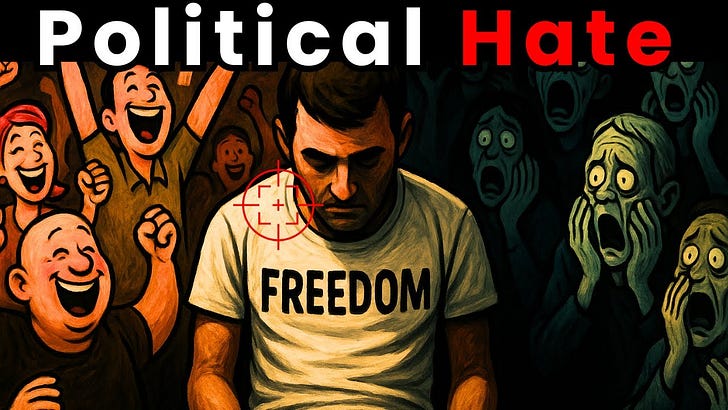
Video: Once, being a victim meant surviving something horrific. Now it means having power. In modern America, victimhood is currency. And the more oppressed you can appear, the more authority you claim. But here’s the twist: when everyone fights to be the most hurt, no one is truly healing.
The video says that modern politics often turns into competing claims of harm. People try to prove why they are the ones being treated unfairly.
So politics becomes about:
who is more wronged
who is more ignored
who deserves more attention
Clallam County connection
In local debates, different groups can all feel like they are the ones being treated unfairly or misunderstood.
Discussion questions
Why do people focus so much on who is being hurt in politics?
Can more than one side feel like the victim at the same time?
Does focusing on harm make problems easier or harder to solve?
Why Words Start Feeling Dangerous
Video: The marketplace of ideas has become a battlefield. And the only thing louder than the shouting is the silence of those too afraid to speak. And so the nation grows angrier, lonelier, more volatile until one day the scream becomes a shot. Words are no longer just expressions; they’re ammunition. A tweet can incite more destruction than a fist. A slogan can justify a killing. We’ve entered an era where language itself has become weaponized.
The video explains that words are no longer just seen as opinions. They are often treated like actions that can hurt people.
So people become more careful about:
what they say
how others might interpret it
whether they will be misunderstood
Clallam County connection
In a small community, where people may know each other directly or indirectly, statements can quickly become more serious than intended.
Discussion questions
When do words start feeling like they can cause real harm?
Does fear of being misunderstood change how people talk?
Do people in local politics feel free to speak honestly?
When Everything Becomes Content
Video: Online, outrage spreads faster than facts. Insults trend higher than insight. And every post is a potential spark in a country soaked with gasoline. It’s not a question of if someone will snap, but when. Nietzsche understood this danger. He warned that in a culture stripped of shared values, language becomes a mask not for truth, but for power. And when power is built on fear, speech doesn’t heal; it provokes. When someone pulls the trigger, we call it violence. But when thousands cheer on their digital platforms with dehumanizing language, isn’t that just a slower kind of murder?
The video says media often turns real conflict into ongoing stories that never really end.
Instead of issues being resolved, they become:
repeated narratives
ongoing debates
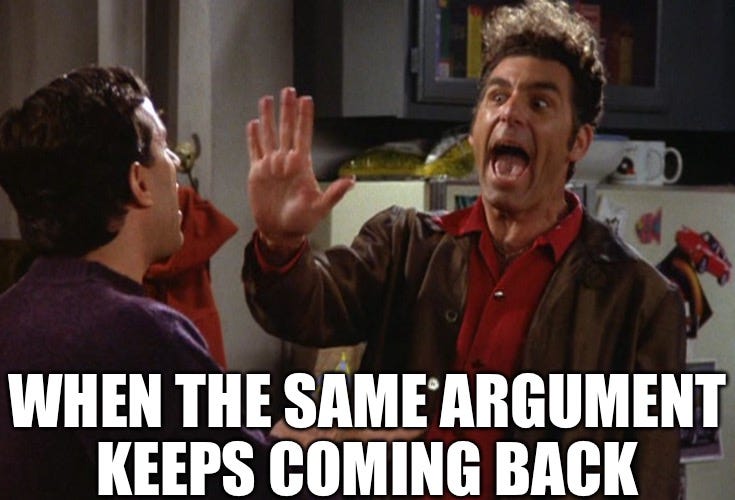
public arguments that keep coming back
Clallam County connection
Local political disputes can stay active for a long time because they are repeatedly discussed, written about, and shared.
Discussion questions
Does talking about problems for a long time help solve them or keep them alive?
When does reporting stop helping and start making things worse?
Why do some local issues never seem to go away?
When People Stop Believing Things Can Get Better
Video: When people lose faith in God, government, community, and even themselves, they reach for anything that gives them weight, even if it’s a weapon. The tragedy isn’t just the loss of life; it’s the loss of belief that anything good can still be built without blood. Everyone wants to fix the system, but no one wants to fix themselves. We protest, vote, cancel, and scream, but when the noise dies down, we’re still lost inside. Nietzsche believed that true revolution doesn’t start in the streets; it starts in the soul. Not in tearing down institutions, but in confronting your own emptiness.
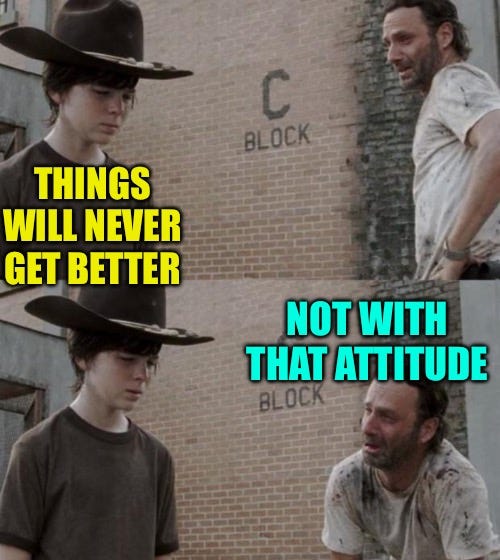
The video’s deepest idea is that conflict gets worse when people stop believing that systems or institutions can improve.
When that happens:
people become more cynical
trust goes down
fixing problems feels pointless
Clallam County connection
If people stop trusting local government or each other, even simple decisions can start to feel like part of a bigger broken system.
Discussion questions
What makes people lose trust in local government?
How do communities rebuild trust once it’s gone?
What helps people believe things can actually get better?
Why People Don’t Agree on Reality Anymore
Video: Victimhood now grants moral superiority. Those who cry loudest are believed fastest. And strength? It’s labeled toxic, oppressive, and dangerous, as if stability itself were a threat. Nietzsche feared this inversion. He saw it as the collapse of virtue when we no longer strive to be strong, but instead demand that others become weak with us. Not to elevate the fallen, but to level the ground. In this new cult, progress is punished, resilience is resented, and we’re left asking: who leads a world where no one is allowed to stand tall?
The video ends with a warning: society breaks down when people stop sharing the same understanding of what is real.
Instead of one shared picture, people end up with:
different interpretations
different assumptions
different “versions” of events
Clallam County connection
In local politics, different groups can walk away from the same event with completely different understandings of what happened and why.
Discussion questions
How can a community function if people don’t agree on basic facts?
What helps people trust the same information again?
Can local politics work if everyone sees things differently?
Closing:
The main warning in “The Dark Truth of Political Hate – Nietzsche” is that political conflict doesn’t stay at the level of disagreement. It can grow into something deeper: loss of trust, loss of shared truth, and loss of belief that anything can be fixed.
In small communities like Clallam County, this matters because everything is closer—people, decisions, and consequences.
So the final question is simple:
How do people live and govern together when they no longer fully trust the same version of what is happening?
Weekend Reminder:
Monday is a holiday, Memorial Day. Proper etiquette is not to say ‘Happy Memorial Day’ since it is a day of remembrance.
From Google: Memorial Day is a solemn U.S. federal holiday observed on the last Monday of May dedicated to honoring and mourning the military personnel who died while serving in the United States Armed Forces.[1, 2]
Here are the essential details behind the meaning, history, and observance of the day:
Core Meaning
For the Fallen: It is exclusively dedicated to remembering and thanking service members who made the ultimate sacrifice in the line of duty.
Veterans Day vs. Memorial Day: While Memorial Day honors the fallen, Veterans Day (observed November 11) celebrates and thanks all U.S. military veterans, both living and deceased. [1, 2, 3]
History & Origins
Decoration Day: Originally known as “Decoration Day,” the tradition began in the years following the Civil War when communities would decorate the graves of fallen soldiers with spring flowers, wreaths, and flags.
First National Observance: The first major national observance was held on May 30, 1868, at Arlington National Cemetery, spearheaded by General John A. Logan of the Grand Army of the Republic.
Federal Holiday: Congress officially declared it a national holiday in 1971 and established it on the last Monday in May to create a three-day weekend. [1, 2, 3, 4]
How It Is Observed
The National Moment of Remembrance: At 3:00 p.m. local time on Memorial Day, Americans are encouraged to pause in a minute of silence to honor those who have died for their country.
Visiting Memorials: People frequently visit cemeteries, memorials, and monuments. Volunteers and service members place small American flags on the graves of fallen military personnel at national cemeteries across the country.
Summer Kickoff: Because of the three-day weekend and its proximity to the start of summer, the day has also become a cultural tradition for community gatherings, backyard barbecues, and family trips. [1, 2, 3, 4]
Recommended Reading:

YouTube Media:
What was on our TV during the podcast: Okinawa 24 - 2 Hours Japan 4K Walking Tour
Thank you for listening, laughing, sharing & subscribing!
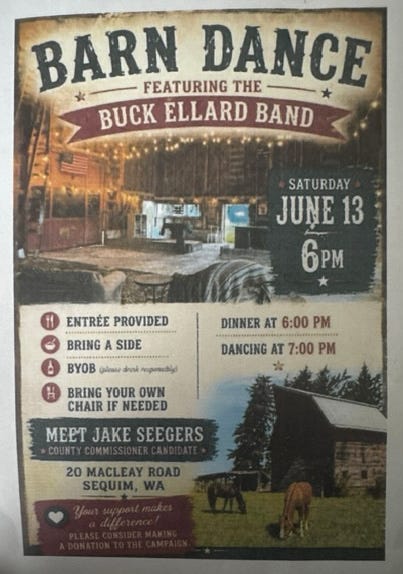
June 13th Barn Dance in Sequim:
Open event for all! Come for the dinner, the dancing, the community, and meet Jake Seegers, candidate for county commissioner.
Community Opportunities:
4PA:
Calico Cat Social Club:
Clallam County Letters:
New issues are published at 6am every Monday and Thursday.
Clallam County Letters accepts emails to county, city, state, and federal government officials.
✍️ Redress State Legislators in District 24:
Senator Mike Chapman: (360) 786-7646, email form
Representative Adam Bernbaum: (360) 786-7916, email form
Representative Steve Tharinger: (360) 786-7904, email form
✍️ Redress Clallam County Commissioners:
Mark Ozias: Mark.Ozias@clallamcountywa.gov
Randy Johnson: Randy.Johnson@clallamcountywa.gov
Mike French: Mike.French@clallamcountywa.gov
Loni Gores, Clerk: Loni.Gores@clallamcountywa.gov
Find all other Clallam County officials, offices, and employees in the staff directory.
To have your letter published in Clallam County Letters, please include clallamityjen@gmail.com in the BCC field or forward after sending.